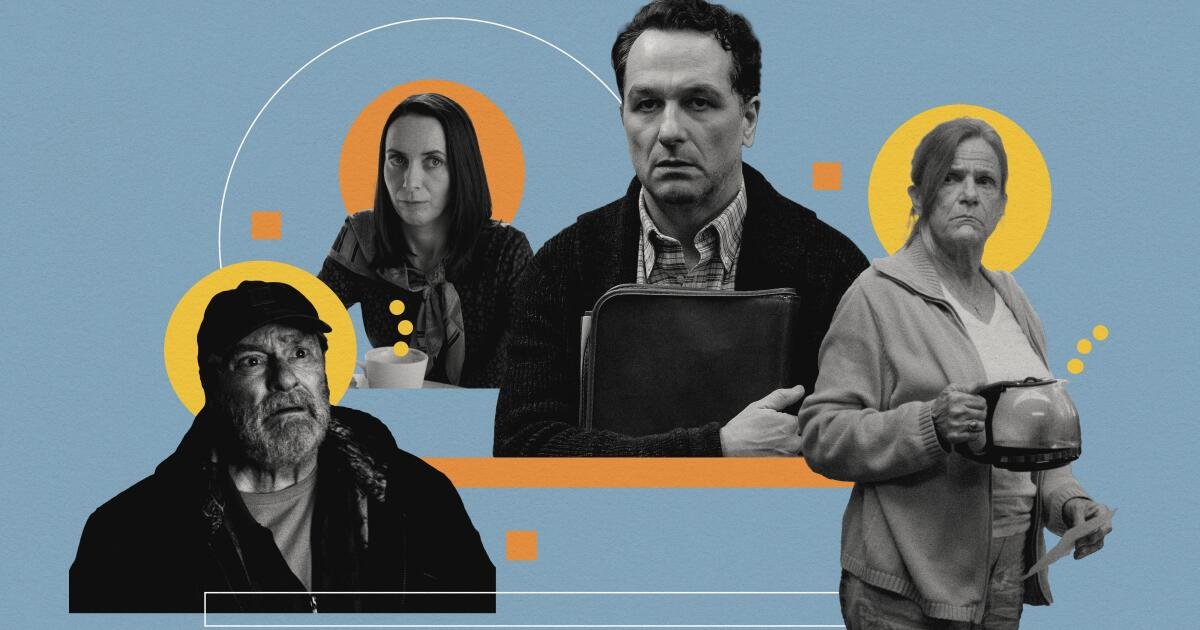
Sometime early in the delightful first-season run of “Widow’s Bay,” Hiro Murai, its primary director and executive producer, began hearing from random people from his past — film school friends, parents of friends, actors he had worked with, the aunt of an acquaintance, a middle school pal he hadn’t spoken with for 20 years. He received so many texts that by the end of the season, he figured he’d heard from just about everyone he’d ever met. Then came the videos of the show’s fans dressed up like Patricia, the socially awkward and endearing mayoral assistant who, in the series’ fourth episode, decides to throw what she calls a Sunset Cocktails event, which morphs into a supernatural nightmare and almost-mass ritual sacrifice. Finally came the tattoos — people proudly displaying body art of the Sea Hag, the town’s lighthouse, the eccentric lighthouse keeper Garrett, Patricia dancing. “The tattoos, wow. I thought, ‘That’s a big investment for a first-season show,’” Murai tells me, smiling. But “Widow’s Bay,” the Apple TV horror-comedy about a cursed New England island and its mayor’s well-intentioned though absolutely misguided attempt to turn it into the next Martha’s Vineyard, has inspired that kind of passion among its fans. Its following includes Emmy voters, who lavished the series with 19 nominations, the most of any new series this year.Among the celebrated: Matthew Rhys, who, as the mayor, expertly shifts between his show’s droll humor and genuine terror; supporting players Stephen Root, Dale Dickey and Kate O’Flynn; series creator Katie Dippold for producing and writing; and Murai for producing and directing. The nomination haul has complicated the Emmys’ comedy series race, which until recently was thought to belong to HBO Max’s “Hacks” for its final season. “As we were putting the show together in the edit, I was getting excited as it was coming together the way that I had hoped it would,” Murai says. But the Emmy nominations? “That was another layer and just as unexpected as people dressing up as Patricia. I’ve seen so many great shows that don’t quite connect. It just seems like there’s no rhyme or reason sometimes for how things resonate.”Perhaps. But let’s try to explain the phenomenon of “Widow’s Bay” anyway. The series premiered late in the season, dropping its first two episodes April 29. At the time, Apple TV had two other comedies that seemed to figure more prominently in its plans — two-time series nominee “Shrinking” and “Margo’s Got Money Troubles,” a highly touted newcomer from ever-prolific creator David E. Kelley starring Elle Fanning, Michelle Pfeiffer and Nick Offerman. There was some talk, Murai says, of delaying the show’s debut to October, tying “Widow’s Bay’s” horror elements into the Halloween season. The fall date would also have allowed Apple to ease into the 2027 Emmy season by first scoring (presumably) with Golden Globes and Actor Awards voters. Murai always believed spring, bleeding into summer, was the right time to launch. “We liked it being a spooky summer show,” he says. “The show takes place during the summer, and so much of what makes it scary is that it doesn’t look like it should be scary. It’s all sunlight. The atmosphere is very summery. We borrowed a lot of things from ‘Jaws,’ and I think the best part about ‘Jaws’ is that if you squint, it just looks idyllic. But you know that the shark is out there in the water.”So April it was, meaning “Widow’s Bay” would arrive so late that its final three episodes would air past the May 31 Emmy eligibility deadline. Since the Emmys expanded the series categories in 2009, “Hacks” is the only comedy to have premiered later and earned a series nomination. (It eventually lost to “Ted Lasso.”)But the timing worked to the advantage of “Widow’s Bay”: Unlike other first-year comedies such as “Margo,” “The Fall and Rise of Reggie Dinkins” and “The Chair Company” (all good shows, by the way), it became a breakout hit, growing its initial 2.5-million viewership total by a good 20% week to week. The word of mouth was extraordinary. And people weren’t just watching — they were participating. The 811-song playlist Patricia made for her Sunset Cocktails party became, for some, the soundtrack of the summer. Fans posted videos of themselves creating the fox fur and antler headpiece Patricia wore to that party. Discussion forums were buzzing, mining the multitude of horror movie references embedded in the series. Pilgrimages to Rockport, Mass., where much of “Widow’s Bay” was shot, became a thing. Like the beloved sitcom “Parks and Recreation,” which Dippold worked on as a writer and co-producer, “Widow’s Bay” became a program that fans invested in and obsessed over. But it quickly surpassed “Parks,” which earned a mere 14 Emmy nominations, never winning, during its seven-season run. Maybe it owes its success to hitting a tonal sweet spot that resonates right now. “Widow’s Bay” understands the connections between comedy and horror, laughter and terror, and genuinely leans into both. Apple gets it, too, and has set two Emmy events supporting the show in August, one at the purportedly haunted Culver Hotel in Culver City and the other at the Hollywood Forever Cemetery.“Katie was always aiming for this cozy/spooky feeling,” Murai says. “A lot of people who are engaging with the show in that way just like the feeling of being there.”They’ll have to wait a bit to return to the island. The show’s writers’ room is just getting going, with Murai saying that “if all goes well, it’s probably shooting next spring.”And he offers assurance to anyone who took the leap and got a “Widow’s Bay” tattoo. “The world is set up to have so many more stories in it, so I’m excited,” he says. “It does feel like a pretty ripe world to tap back into.”