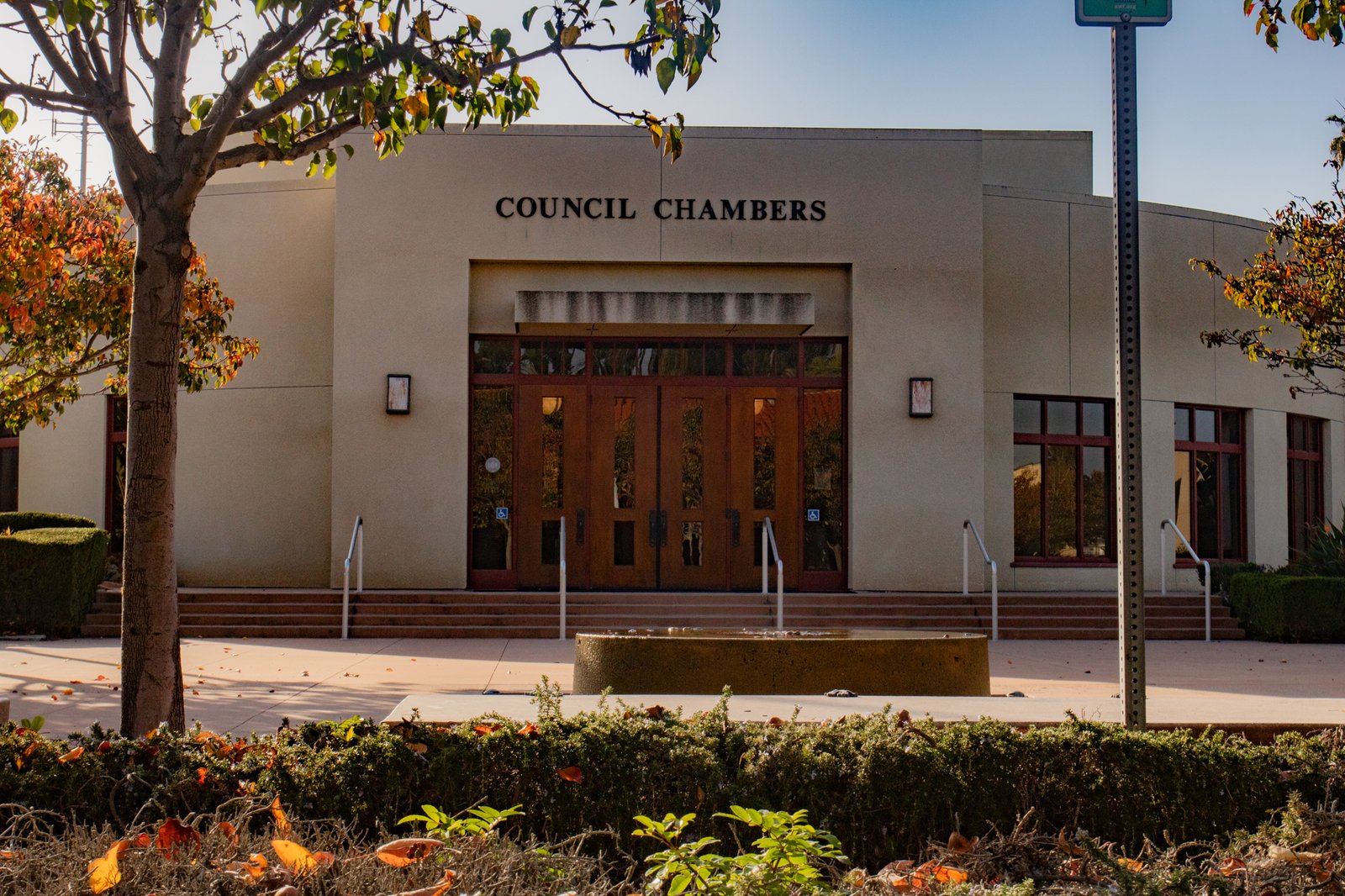
The city of Chula Vista is exploring a possible November ballot measure that would raise the city’s hotel tax rate by four percent to fund a new city tourism bureau along with additional public safety resources.
The city recently hired an Encinitas-based polling firm called True North Research to gauge voters’ support for increasing the city’s hotel tax rate by four percent.
Chula Vista’s base hotel tax rate currently stands at 10 percent for all guest stays of 30 days or less.
Guests at hotels along the city’s bayfront, including the recently opened Gaylord Pacific Resort and Convention Center, pay a higher rate of 15.5 percent.
If the City Council decides to place a hotel tax increase on the November ballot, and voters approve the measure, Chula Vista’s hotel tax rate would rise to one of the highest levels in San Diego County.
The neighboring city of San Diego charges up to 13.75 percent, depending on hotel location. Other large coastal cities, including Carlsbad and Oceanside, charge slightly less.
City Councilmember Jose Preciado, who spearheaded the potential tax increase along with fellow Chula Vista Councilmember Cesar Fernandez, said raising the hotel tax rate could generate roughly $2.8 million annually — $700,000 for each percentage point increase.
“I’m looking to have our visitors pay into the quality of life we all enjoy,” Preciado said. “I think in South County we haven’t had the same focus [on maximizing tourism opportunities] as San Diego proper or other parts of San Diego County.”
Preciado said he hoped the additional revenue generated by the tax increase would help pay for up to 10 new police officers and a new city-funded visitors bureau to market the city as a tourism destination and plan for future tourism growth.
The poll currently being conducted by the city proposes earmarking new tax revenue for 911 emergency response resources, homelessness services, job creation efforts and maintaining city parks.
“As we emerge as a tourism area with different kinds of tourism amenities, our goal is to build infrastructure for that,” Preciado said.
Poll results and a proposal for the possible ballot measure could come before the City Council later this month.
The Council would need to vote to place the tax increase on the ballot by the first week of August to meet a filing deadline for the Nov. 3 election.
The idea of raising hotel taxes first appeared on the city’s radar late last year, when a City Council subcommittee focused on economic growth in the city’s lower-income west side included the idea in a four-point economic development plan for the area.
Preciado and Fernandez were the subcommittee’s two members.
Similar to a series of subcommittees recently created by the San Diego County Board of Supervisors, the west Chula Vista subcommittee operated on an informal basis and did not hold public meetings governed by public meeting rules or transparency requirements.
The two councilmembers met with Chula Vista staff and a range of economic development consultants, including New York-based HR&A Advisors and Spicer Consulting Group, a Murrieta company that, according to its website, helps cities find ways to “fund vital infrastructure and services to meet the needs of constituents.”
The plan developed by the subcommittee proposed four strategies for growing the west Chula Vista economy.
Strategies included expanding sports-related tourism, creating business improvement districts and “developing strategies that support tourism growth and generate transient occupancy tax revenues that can be reinvested to strengthen Chula Vista neighborhoods and assist in achieving city priorities.”
Councilmembers in November unanimously approved the plan and directed city staff to put it into action.
The possible hotel tax measure comes as city councilmembers already are weighing a separate ballot measure that would overhaul city government by extending term limits, raising councilmembers’ salaries and expanding their responsibilities.
That measure is being spearheaded by a prominent local labor union representing construction workers. Union representatives sent a copy of the proposed ballot measure to councilmembers last month for consideration.
The union’s leader said Wednesday his union would oppose a hotel tax increase, in part because it might confuse voters or cause them to reject both measures.
“This is not a time for tax increases,” said Valentine Macedo, secretary treasurer of Local 89 of the Laborers International Union of North America. “Before asking voters for another tax increase, [Chula Vista leaders] should be clear about exactly where the money will go and how taxpayers can hold City Hall accountable…Our charter reform measure is separate.”
As with the possible hotel tax increase, councilmembers are expected to decide later this month whether to place the government reform ballot measure on the November ballot.
Chula Vista voters in November also will be asked to decide on a county-backed ballot measure that would raise the county’s sales tax rate by half a cent to pay for healthcare, sewage cleanup and other county initiatives.
Preciado acknowledged the presence of so many government-related proposals on the city’s November ballot risked confusing or alienating voters.
Still, he said he felt confident voters trusted their elected leaders enough to recognize that the hotel tax increase was needed and would fall on out-of-town guests, not residents.
“One thing I’m very proud of in Chula Vista is voters have been able to rely on us to manage our resources well,” he said. “I want to make clear that this is not intended as a local tax. It’s intended as a tax on visitors.”
Related Posts