David Malcolm is the president of Cal West Apartments, Inc.
In last Saturday’s “Politics Report,” Will Huntsberry tackled the thorny issue of apartment vacancy rates (apparently the highest in this century) and the impact on affordability. He also correctly wrote that the city of San Diego needs “strategies beyond build, build, build.”
What’s Really Happening
My company owns and operates apartment rental complexes in San Diego County (San Marcos, Encinitas, La Jolla, El Cajon and South Bay) and in Temecula (Riverside County). Here is what we are seeing.
Base rents are stable … but offers of two months’ free rent are common. That is a de facto 16.7 percent reduction on annualized rents. Reducing base rents is not possible in the face of rent control measures and, even more importantly, bank loan covenants. Thus, concessions like two months’ free rent are not hard to find.
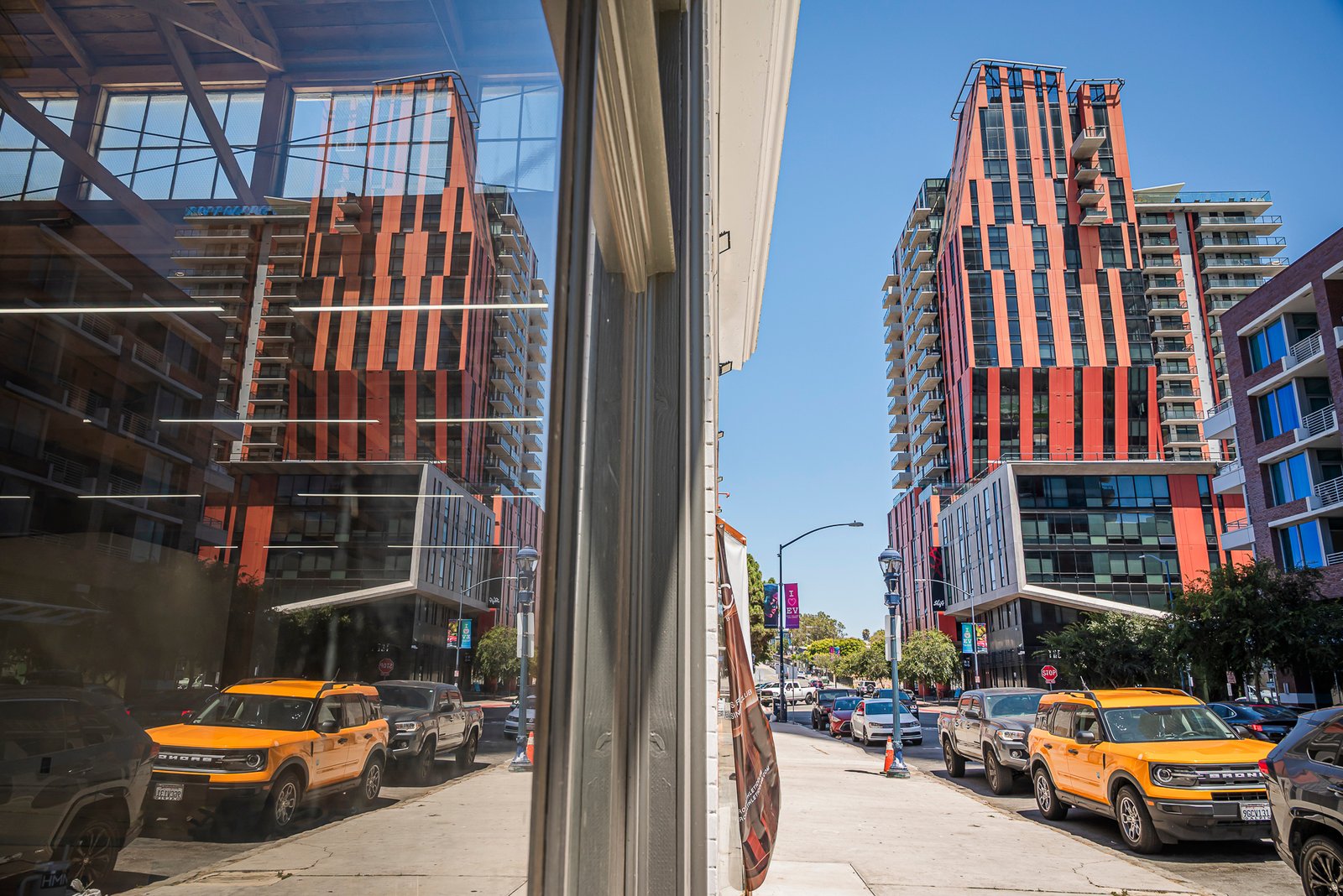
In Temecula, projects next to ours offer two or even three months’ free rent. In the city of San Diego, you see these offers in precisely the locations where apartment buildings have proliferated – Downtown, Mission Valley, Hillcrest, Bankers Hill and North Park for example.
This means that the impetus to build more apartment units has increased affordability and real rents are down.
Mission Accomplished?
I say the city should declare a victory for having increased supply … and take a step back from “build, baby, build!”
By taking a step back, I mean being less knee-jerk and more about striking the right balance before San Diego becomes Los Angeles, sacrificing community character in the process.
The rush to build, build, build has already resulted in unintended consequences. Take parking as one example. Reducing requirements from one or two spaces per unit to no parking whatsoever means that streets will forever be lined with parked cars … and people with special needs are not-so-subtly told, “Don’t apply here.” What has San Diego become when we aren’t willing to make room for those with special needs? For many projects not a single Handicapped parking space is required.
Let’s Get Back to Striking the Right Balance
How does San Diego get back to accommodating demand without throwing community character out the window, so to speak?
By encouraging developers to build the right product in the right places. Transit-oriented development is just one example of that. By getting back to considering architectural qualities, height considerations, impacts on wetlands and other environmental assets, and by making sure the appropriate infrastructure is in place or planned. That means everything from roads to water and sewer to parks to schools to grocery stores.
And here’s a thought. One good way to do that is by listening to the community planning groups who are the boots on the ground of the communities themselves. San Diego has not been doing that and it is to our detriment. But it can and must be turned around.
Let’s shift the conversation from build everything, everywhere, all at once (apologies to the Academy Award-winning Best Picture) to thoughtful, comprehensive “communities planning” before jeopardizing San Diego’s greatest asset; our quality of life.
Related Posts